11 Ways To Completely Sabotage Your Pallets Warehouse
Understanding the Role of Pallets in Warehousing: A Comprehensive Overview
On the planet of logistics and supply chain management, pallets play a vital function in ensuring efficiency. They act as the fundamental foundation for how products are kept, transferred, and dealt with within storage facilities. This blog explores various aspects of pallets and their significance in warehousing, while also addressing regularly asked concerns (FAQs) to supply a well-rounded understanding of this vital component.
What is a Pallet?
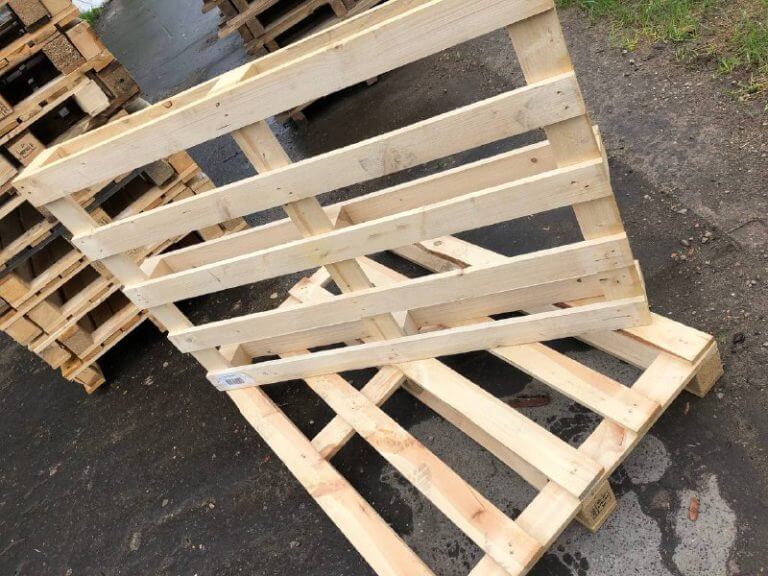
A pallet is a flat structure used to support products in a stable manner while being raised by a forklift, pallet jack, or front loader. They are normally made from wood, plastic, or metal and come in numerous sizes and types to accommodate different types of products.
Kinds of Pallets
Pallets can be classified based on their product and design. Below is a summarized breakdown of the most common types:
Type of Pallet
Material
Functions
Common Uses
Wooden Pallets
Wood
Durable, recyclable, cost-efficient
General storage and shipping
Plastic Pallets
Plastic
Light-weight, resistant to wetness, resilient
Food industry, pharmaceuticals
Metal Pallets
Steel or Aluminum
Heavy-duty, resistant to use and tear
Industrial applications
Composite Pallets
Mixed materials
Integrates benefits of numerous materials
Multi-purpose applications
Value of Pallets in Warehouses
Pallets are essential in modern-day warehousing for numerous factors:
1. Efficiency in Storage and Handling
Pallets enable the storage of multiple items at as soon as, increasing space performance. Forklifts and pallet jacks can easily move pallets, decreasing manual labor and speeding up processes.
2. Standardization
The majority of storage facilities use standardized pallet sizes, which assists in uniformity in storage and transportation, assisting to prevent confusion and errors throughout inventory management.
3. Protection of Goods
By raising items off the ground, pallets help secure items from wetness, dirt, and other ecological elements that could trigger damage.
4. Improved Safety
Pallet stacking decreases the risk of accidents. Pallets lower mess and offer a steady base for items, promoting a much safer work environment.
5. Cost-Effectiveness
Utilizing pallets can decrease functional costs by enhancing area and decreasing the requirement for comprehensive shelving systems. In the long run, they are often more economical compared to other storage approaches.
Aspects to Consider When Choosing Pallets
Choosing the ideal pallet depends upon numerous aspects, including:
- Load Capacity: Understand the weight of the items that will be saved.
- Material: Depending on the items, some materials (like plastic) may be preferred for health.
- Size: Make sure the pallet size fits your storage and transport requirements.
- Resilience: Assess for how long the pallets will be required and the environment they will be used in.
- Cost: Balance initial investment with long-lasting resilience and maintenance expenses.
Operations in a Pallet Warehouse
A typical pallet warehouse involves several operations to handle stock efficiently:
1. Receiving Inventory
Upon delivery, items are inspected versus purchase orders, and products are put onto pallets for arranged storage.
2. Storage
Item are kept according to a warehouse management system (WMS) that determines where items ought to be placed based upon their turnover rate and size.
3. Selecting Orders
When orders are received, employees utilize various picking techniques (e.g., wave picking, zone picking) to retrieve items from pallets efficiently.
4. Shipping
Pallets are gotten ready for shipping, making sure that goods are appropriately protected and labeled for downstream transportation.
Best Practices for Pallet Management
Reliable pallet management can considerably improve operational effectiveness. Here are some best practices:
- Regular Inspections: Inspect pallets frequently for damage to guarantee they remain safe for use.
- Recycling and Disposal: Establish a system for recycling harmed pallets or dealing with them in an eco-friendly way.
- Labeling: Clearly label pallets to streamline stock tracking.
- Training: Ensure staff are trained in proper handling methods to minimize mishaps.
Frequently asked questions About Pallets in Warehousing
Q1: What is the basic size of a pallet?
A1: The basic size of a pallet differs by area, however the most typical size is 48” x 40” in North America. In Europe, the standard is typically 1200 mm x 800 mm.
Q2: How do I choose between wood and plastic pallets?
A2: Wood pallets are generally more cost-efficient, while plastic pallets are more resilient and ideal for environments that require hygiene, like food or pharmaceutical markets.
Q3: Can pallets be reused?
A3: Yes, pallets can often be recycled multiple times. However, they ought to be examined for structural stability and tidiness before reuse.
Q4: What is the typical lifespan of a pallet?
A4: The life expectancy of a pallet differs based upon its product and usage. Wooden pallets normally last a few years, while plastic and metal pallets can last much longer.
Q5: Are there different pallet styles?
A5: Yes, there are numerous designs such as block pallets, stringer pallets, and double-face pallets, each fit for different functions and dealing with techniques.
Pallets are indispensable in the warehouse setting, promoting effective storage, security, and general efficiency. Understanding their types, significance, and best practices for management can considerably benefit companies wanting to enhance their warehousing operations. As visit website continues to evolve, the function of pallets will stay crucial in making sure the smooth movement of items in global supply chains.